
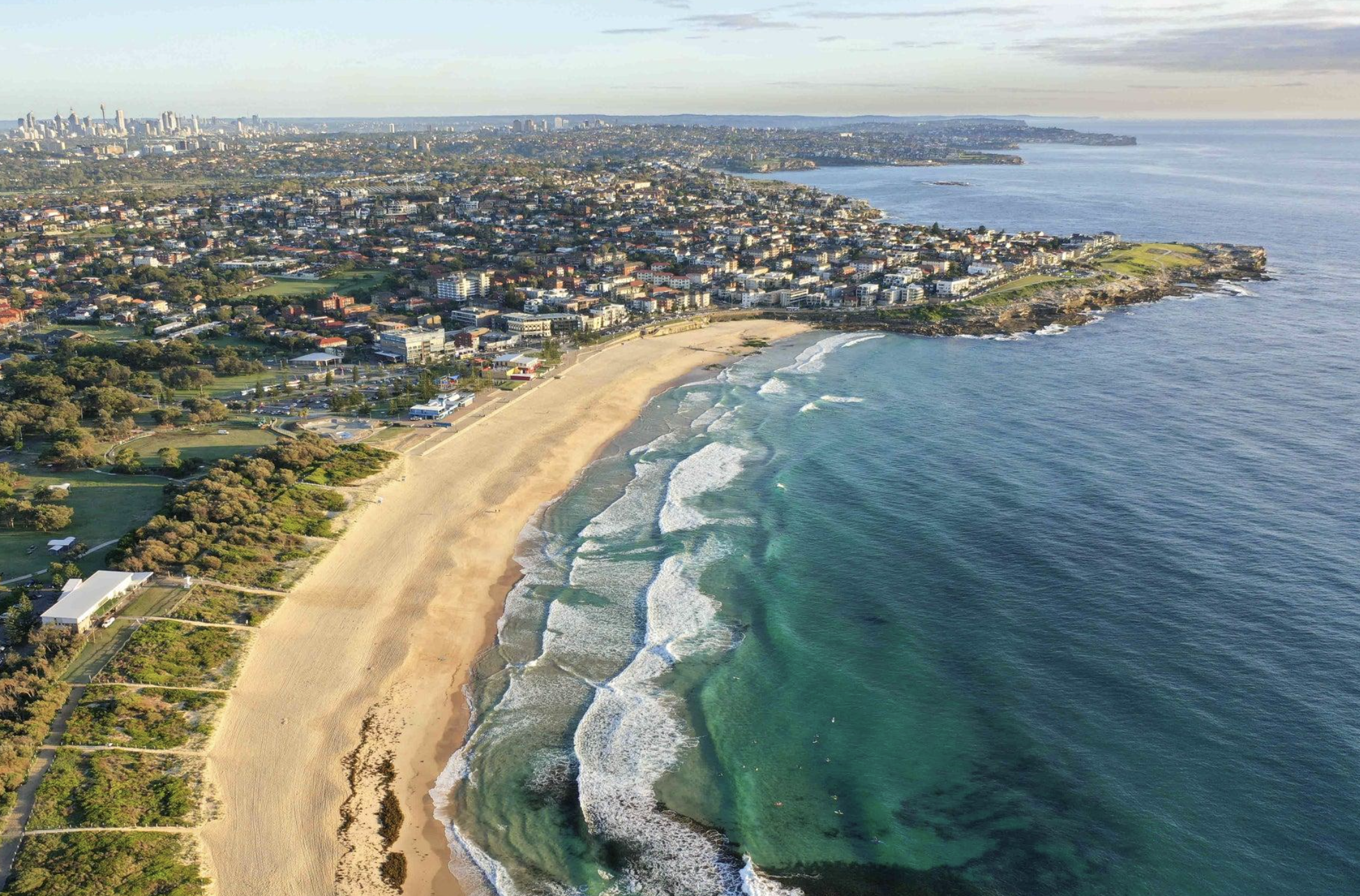
Shark surveillance is ramping up across NSW, with drones set to monitor 97 beaches year-round and expanded coverage along Sydney’s Eastern Suburbs coastline.
97 beaches will now have drone coverage
The expanded program will provide drone surveillance at 97 beaches across NSW, with at least one drone operating in every coastal local government area.
Flights will operate from dawn to dusk, 365 days a year, giving lifesavers another way to spot sharks and monitor activity in the water.
What does that mean for our local beaches?
In the Randwick City area, Surf Life Saving NSW will operate shark surveillance drones at:
Coogee Beach
Clovelly Beach, including Gordons Bay
Maroubra and South Maroubra Beaches
Malabar Beach
Little Bay Beach
Drones are currently operating from around 6.15am to 6.30pm. During the peak summer period from November to February, those hours will extend to approximately 6am to 7.30pm.
But drones are only one part of the system
Along the Randwick coastline there are also nine SMART drumlines, shark nets at Coogee and Maroubra, and a shark listening station at Maroubra Beach.
The listening station detects tagged sharks that come within 500 metres and sends an alert to the NSW SharkSmart system.
Coogee could get another listening station
Randwick City Council has asked the NSW Government to install a second local shark listening station at Coogee Beach.
Council is also pushing for SMART drumlines near Wedding Cake Island to be moved to the seaward side of the island, subject to safety and operational requirements.
The request follows concerns from local ocean swimmers about drumlines currently positioned on the shoreward side of Wedding Cake Island, within the popular swimming route between Coogee Beach and the island.
The free SharkSmart app provides shark sighting alerts, tagged shark detections and beach status updates, including temporary beach closures.
What sharks are being monitored?
NSW’s shark management program focuses particularly on white, tiger and bull sharks.
Their movements vary throughout the year. Bull sharks are more common in warmer coastal waters from late spring to autumn, while white sharks are more prevalent during winter and spring. Tiger shark movements are also strongly influenced by water temperature and seasonal conditions.
The bottom line
For locals who spend summer in the water, the biggest change is the scale and frequency of surveillance. Drones will now be in the air throughout the year, alongside existing shark monitoring and mitigation measures.
It doesn’t make entering the ocean risk-free, but it does mean more eyes on the water and more information available to swimmers, surfers and families before they head in.